The Problem We Saw
in Our Own Fields
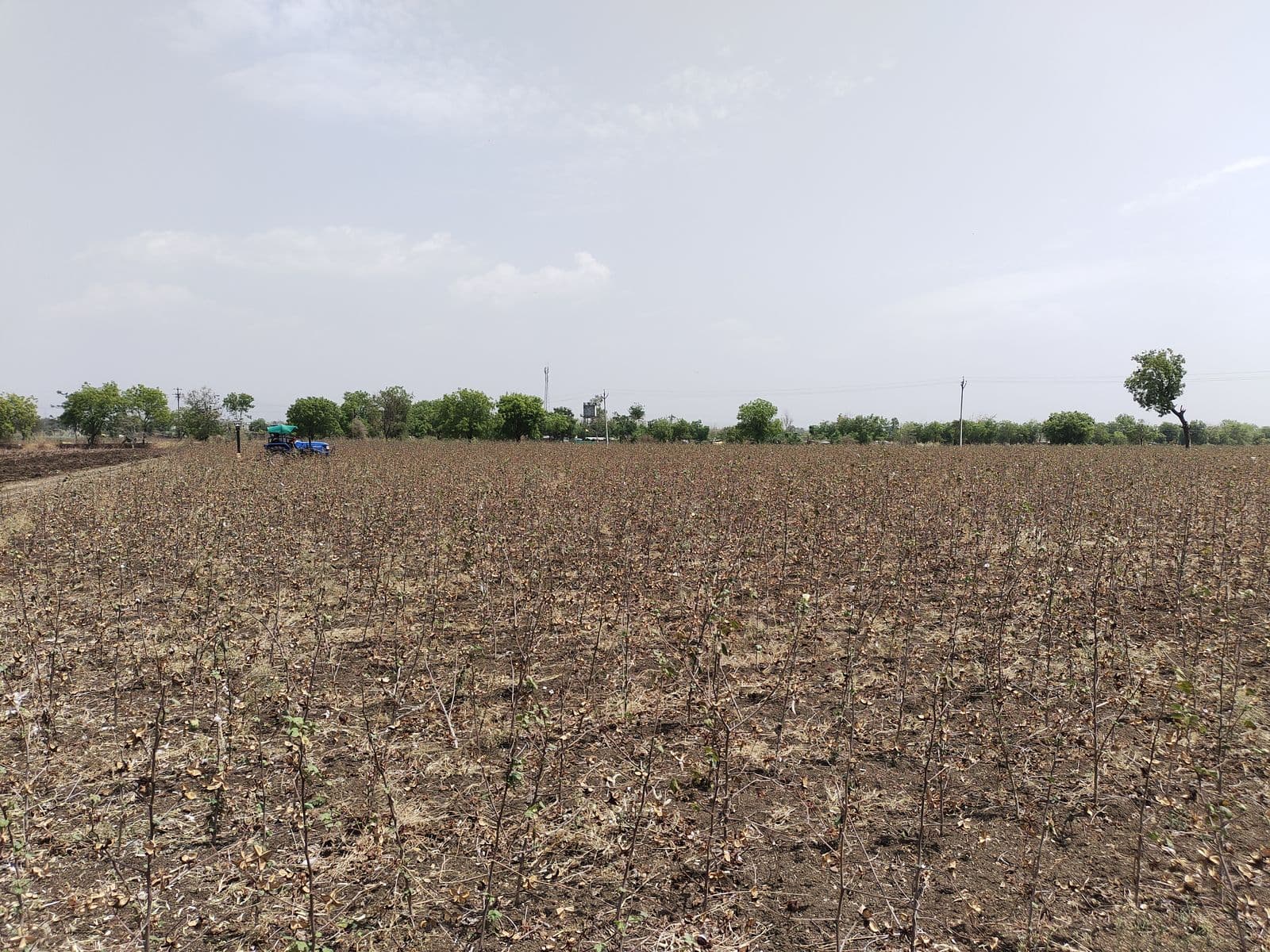
We are a Maharashtra-based agro-waste utilisation venture founded by an entrepreneur who grew up watching cotton stalk burn in Vidarbha fields every November. The smoke lasted weeks. The reason was simple: there was no organised buyer for it.
At the same time, cement plants, textile mills, and brick kilns many of them less than 200 kilometres away were burning coal imported from Jharkhand and Odisha. A perfect fuel was being destroyed while factories burned an inferior, expensive alternative.
BiomassHub was built to close this gap — not just by manufacturing briquettes, but by creating the verified supply chain, quality infrastructure, and compliance data that industrial buyers need to switch from coal to biomass with confidence.
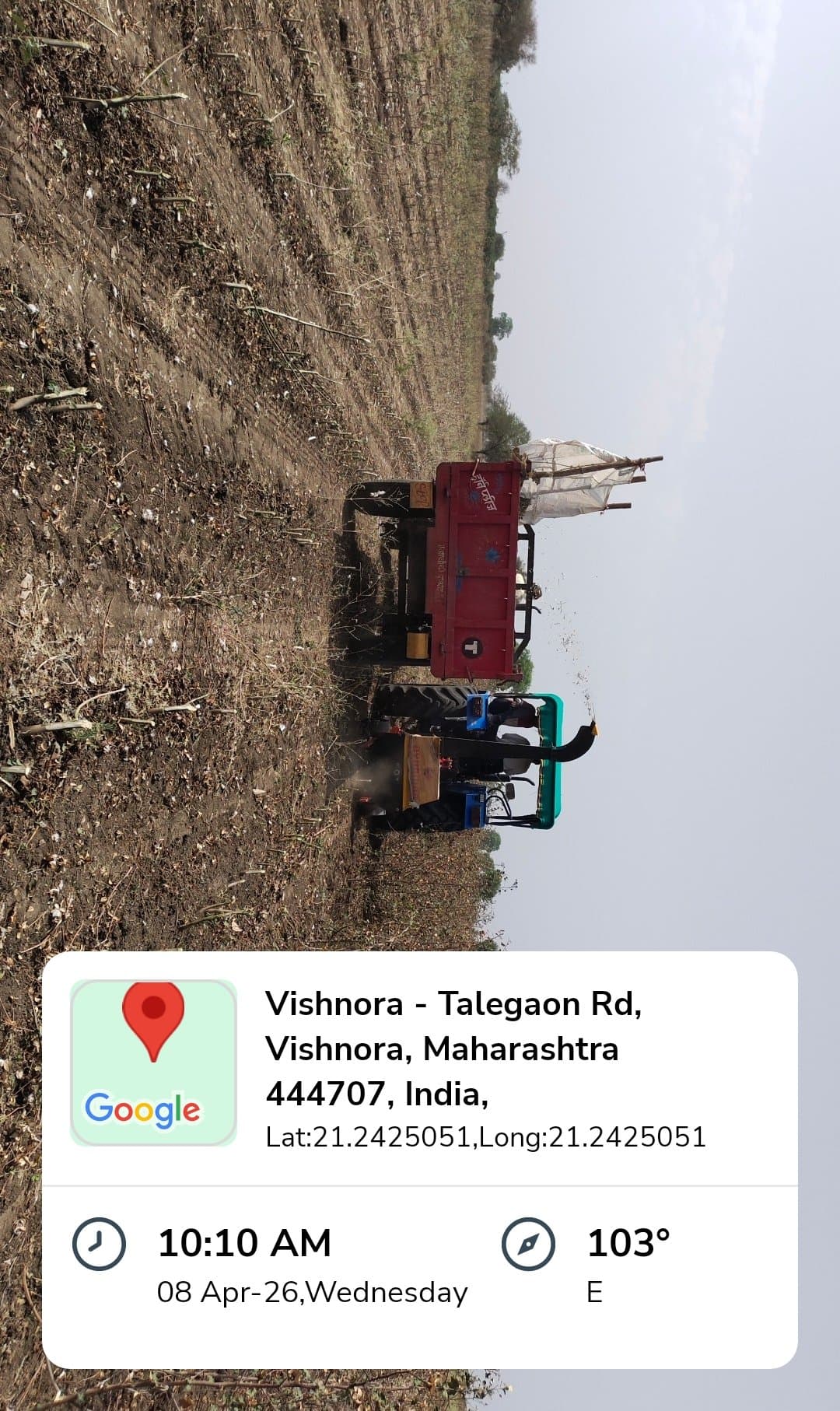
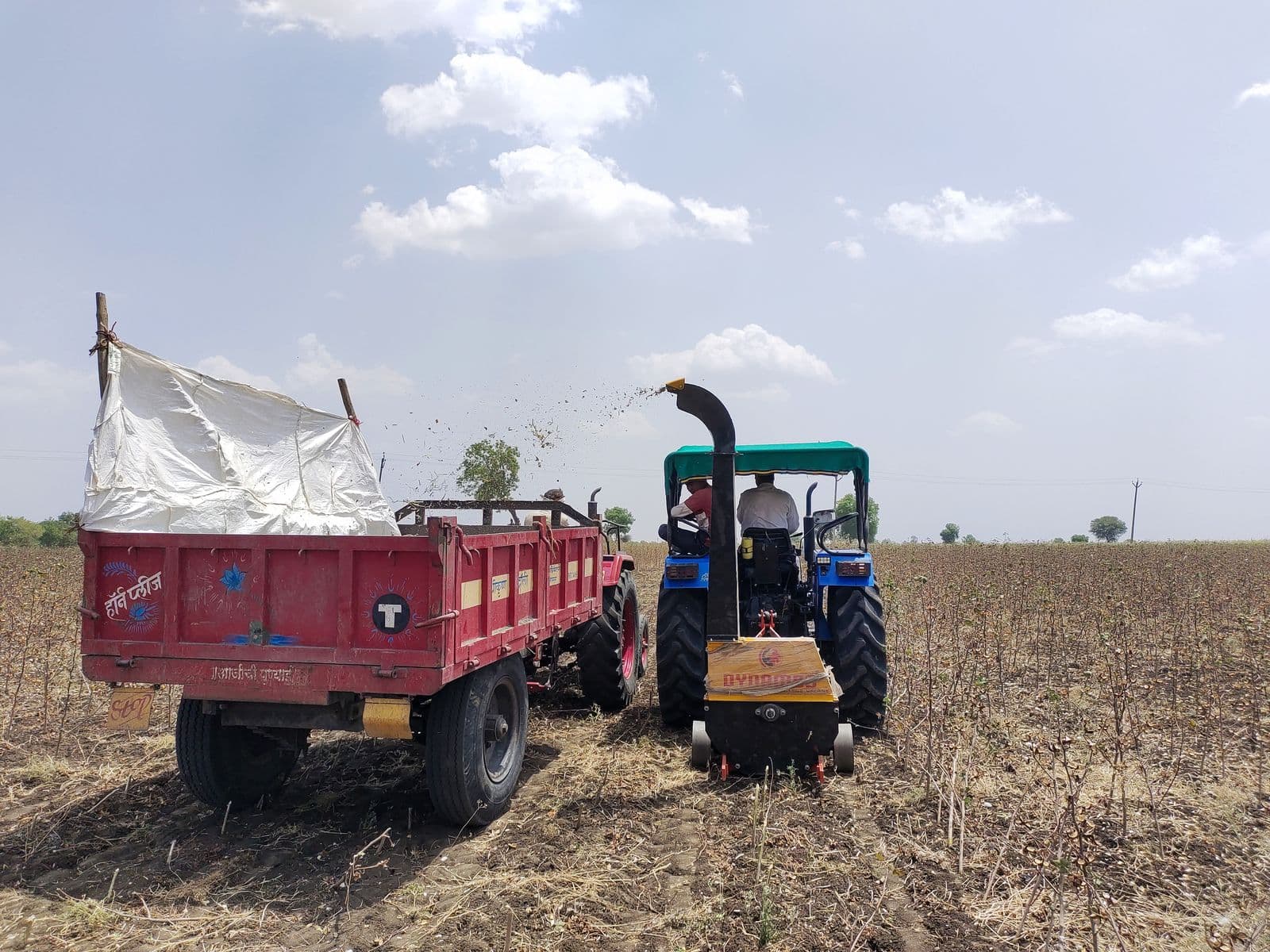
We started by collecting cotton stalk, tur husk, soybean husk, wheat straw, paddy straw, maize, sunflower, bagasse, and other agro-residues directly from registered farmers in Amravati and Yavatmal. We invested in shredding, drying, and quality testing infrastructure. We built the aggregator network for consistent supply. And we built digital systems to generate the BRSR and ISCC compliance data that corporate buyers increasingly require.
We are not just a briquette manufacturer. We are building India's most trusted biomass supply network — starting where the waste is, scaling wherever the demand is.